
Blood Flow Restriction Cuffs Hire
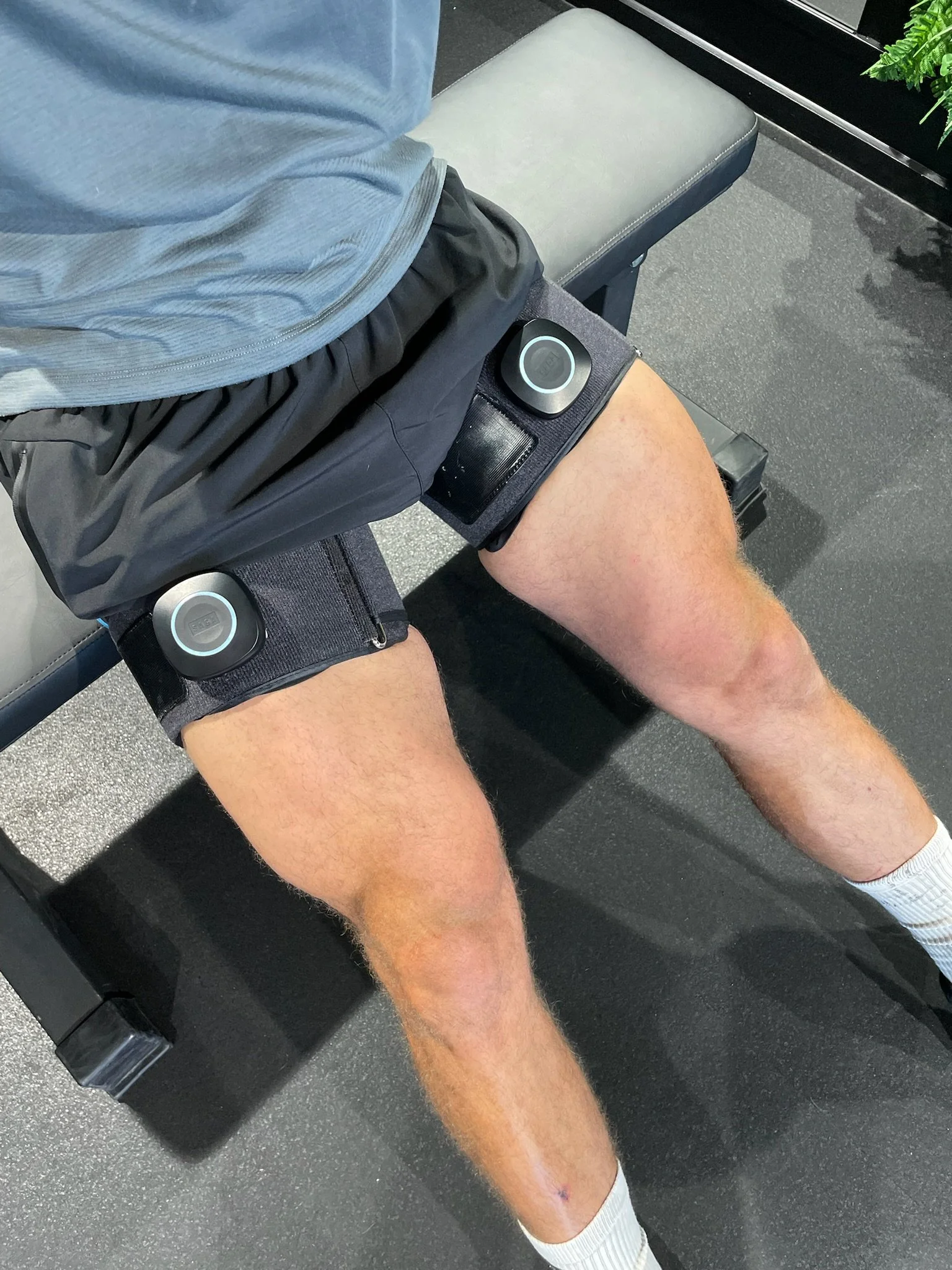
RecoveryTec hires SAGA blood flow restriction cuffs in Christchurch and nationwide across New Zealand. BFR training allows you to build and maintain muscle strength using very light loads - making it one of the most effective tools available when you're limited in what you can lift after surgery or injury. Whether you're recovering from ACL reconstruction, a knee replacement, ankle surgery or any other procedure that restricts loading, BFR cuffs let you keep your muscles working without putting stress on healing tissue.
Our SAGA cuffs are Bluetooth self-calibrating - they automatically set the correct occlusion pressure for your limb, so you can use them safely at home without needing a physio present. We deliver across Christchurch, Selwyn and North Canterbury, and ship nationwide.
Frequently hired alongside BFR cuffs: CryoPush Ice Machine, Compex EMS Muscle Stimulator
Key Benefits of Hiring Blood Flow Restriction Cuffs
Muscle maintenance during recovery One of the biggest challenges after surgery is preventing muscle wasting. When you can't train normally, muscles lose strength and size quickly — research shows you can lose up to 30% of quadriceps strength in the first week after knee surgery alone. BFR cuffs allow you to stimulate muscle growth with very light exercise, protecting the strength you've built while your body heals and significantly reducing the deficit you need to claw back later in rehab.
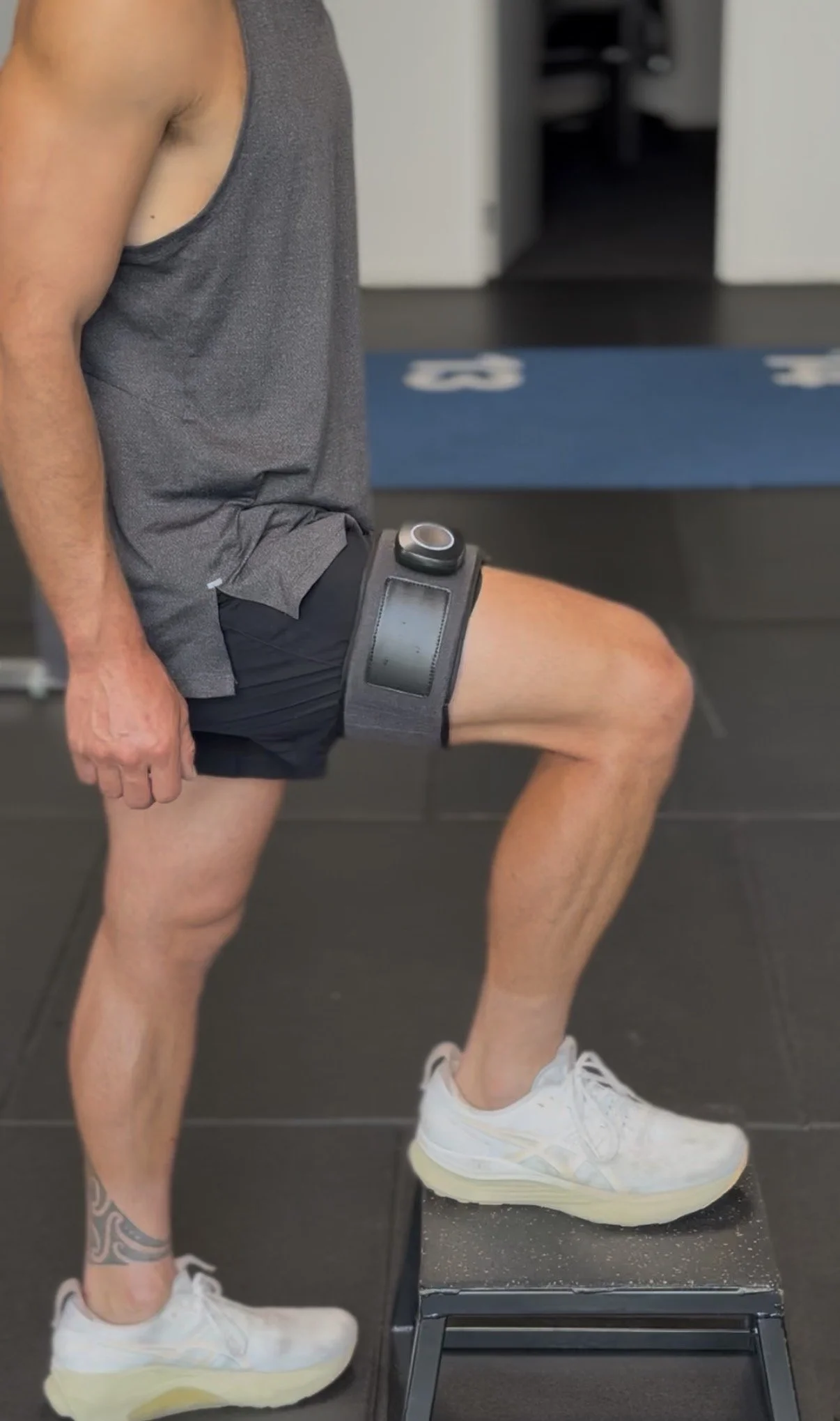
Build strength without joint stress Traditional strength training requires heavy loads to produce meaningful gains. BFR achieves the same stimulus at 20–30% of normal load, which means your joints, tendons and healing tissue aren't put under the same pressure. This makes it ideal for post-surgical rehab where loading is restricted, but it's equally valuable for managing chronic joint conditions like osteoarthritis where heavy loading causes pain or further irritation.
Faster return to full strength Research consistently shows that BFR training speeds up strength recovery following surgery. Athletes and rehab patients using BFR return to normal training loads faster than those using conventional low-load exercise alone. For competitive athletes, that difference in timeline can be the difference between making a season or missing it entirely.
Improved muscle activation BFR enhances neuromuscular recruitment — the connection between your nervous system and your muscles. This is particularly valuable after knee surgery, where pain and swelling can inhibit normal muscle activation patterns, a phenomenon known as arthrogenic muscle inhibition. By improving the neural signal to the muscle, BFR helps restore normal movement patterns earlier in the rehab process.
Hormone response BFR training triggers a significant release of growth hormone and other anabolic hormones, which further supports muscle repair and recovery throughout the body — not just in the trained limb. This systemic hormonal response is one of the reasons BFR produces results disproportionate to the load being used, and why it remains effective even during periods of very limited activity.
Reduced pain and swelling The pumping action created by BFR exercise improves local circulation and lymphatic drainage, which helps manage post-surgical swelling and reduce pain in the surrounding tissue. Many users report a noticeable reduction in stiffness and discomfort after regular BFR sessions, making it easier to engage with other rehab exercises and physiotherapy.
Time efficient BFR sessions are typically 15–20 minutes. Short, low-intensity and highly effective — which matters when you're managing fatigue alongside recovery. The low load also means you're not creating significant muscle damage that requires days of recovery, so you can session more frequently than traditional strength training without overloading your system.
Who Are BFR Cuffs For?
Post-surgery patients
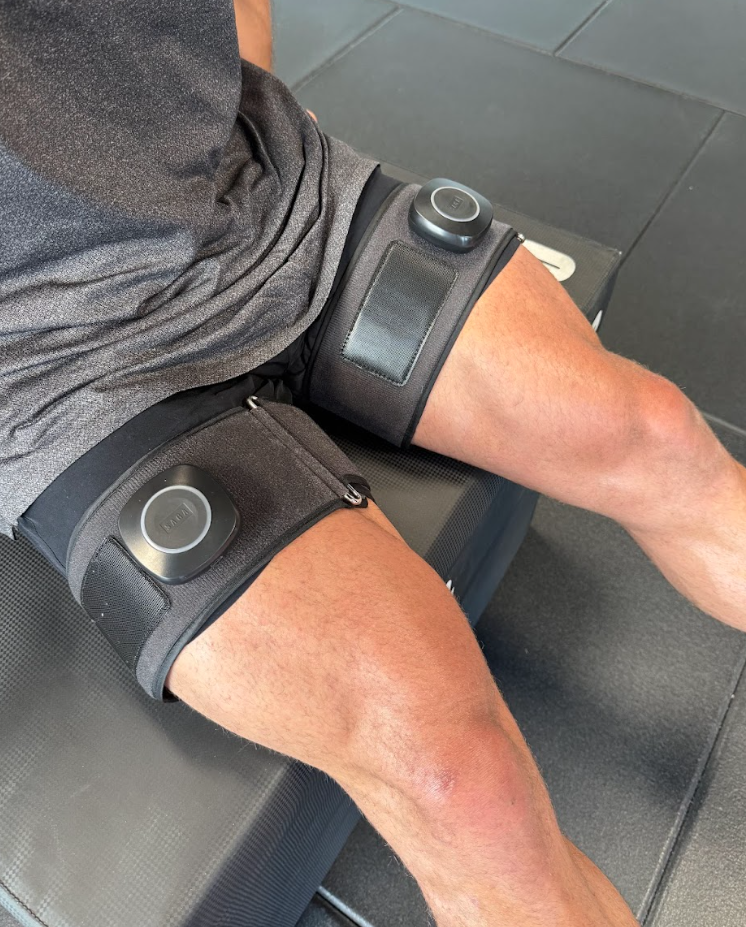
BFR cuffs are widely used following ACL reconstruction, knee replacement, meniscus repair, ankle surgery and any other procedure that restricts weight-bearing or heavy loading. They're one of the few tools that allow genuine muscle stimulus during early-stage rehab.
Athletes returning from injury
Muscle loss during injury downtime is one of the biggest barriers to return-to-sport. BFR allows athletes to keep training the affected limb at low load while tissue heals, dramatically reducing the strength deficit on return.
Anyone non-weight bearing
If you're on crutches or restricted from loading a limb, normal strength training isn't an option. BFR lets you maintain muscle mass with seated or supported exercises using minimal resistance.
Performance athletes
Elite runners, cyclists and strength athletes use BFR during taper periods, deload weeks or alongside heavy training blocks to add low-stress training volume without increasing fatigue or injury risk.
What Is Blood Flow Restriction Training and How Does It Work?
Blood flow restriction (BFR) training uses inflatable cuffs placed around the upper arm or upper thigh to partially restrict venous blood flow — the blood leaving the muscle — while allowing arterial blood to continue flowing in. This creates a build-up of metabolic stress in the muscle that triggers the same growth signals as heavy resistance training, even when you're lifting very light loads.
During a BFR session, the cuffs are inflated to a personalised pressure based on your limb occlusion pressure — typically 50–80% of the pressure needed to fully stop blood flow. The SAGA cuffs calculate this automatically via Bluetooth, removing the guesswork and making them safe to use independently at home.
The result: you can perform exercises with 20–30% of your normal training load and still stimulate meaningful muscle growth and strength. For someone who can't load heavily after surgery, that's a significant advantage.
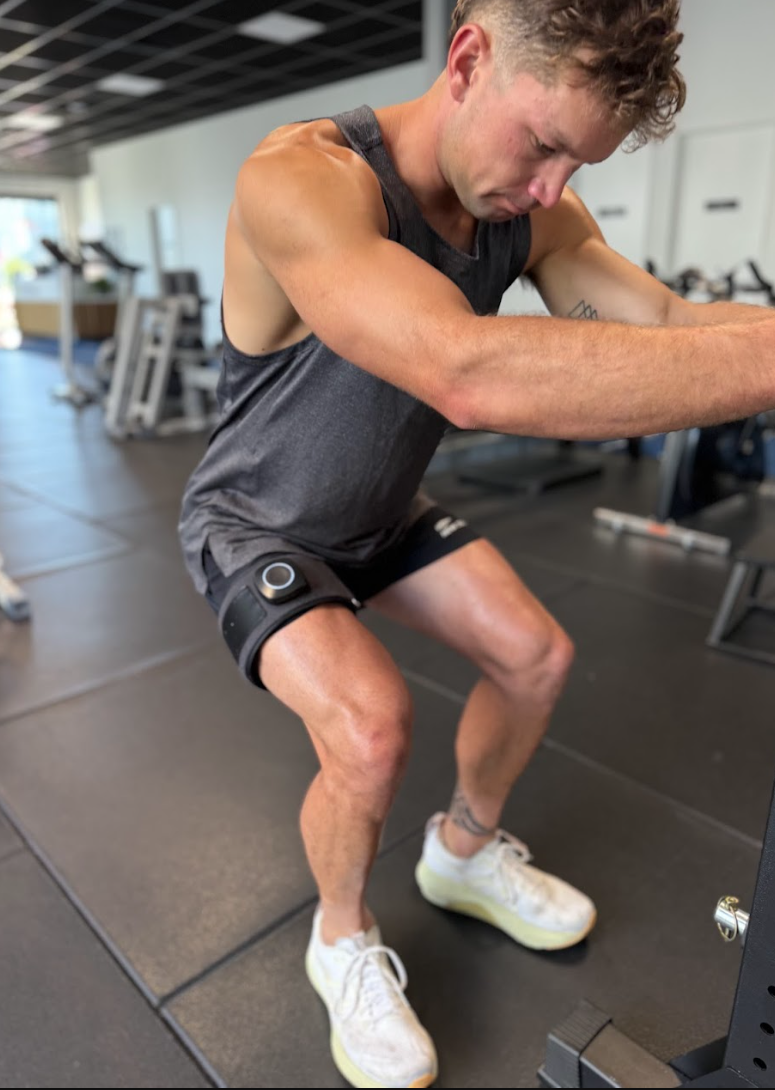
What injuries and surgeries can I use BFR cuffs for?
BFR cuffs are suitable for a wide range of surgeries and injuries where loading is restricted or where preventing muscle loss is a priority. Here's a breakdown by category:
Knee surgery ACL reconstruction is one of the most common applications — quad atrophy after ACL surgery is significant and BFR is one of the few tools that can address it early. BFR is also used following knee replacement, meniscus repair, patella tendon repair, PCL reconstruction and tibial plateau fractures.
Ankle and foot surgery Following ankle stabilisation surgery, Achilles tendon repair, ORIF (open reduction internal fixation) for ankle fractures and ligament reconstructions, BFR allows calf and lower leg strengthening while non-weight bearing or partially loaded.
Hip surgery Hip replacement, hip labrum repair and femoral fracture recovery all benefit from BFR. Maintaining glute and quad strength during the restricted loading phase significantly speeds up functional recovery and return to walking.
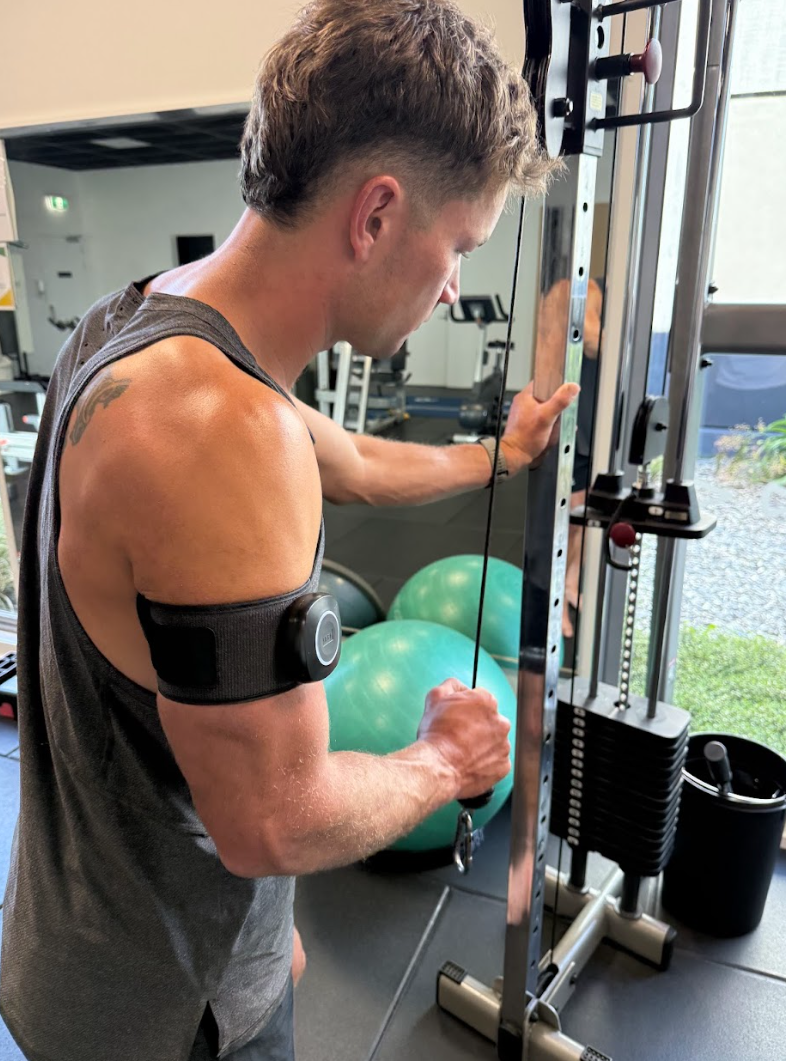
Shoulder surgery Rotator cuff repair, shoulder stabilisation and labrum repair restrict upper body loading for extended periods. BFR applied to the upper arm maintains arm and shoulder muscle mass during immobilisation and early rehab.
Spinal surgery Lower back and cervical spine procedures often result in prolonged deconditioning. BFR can support limb muscle maintenance when core and spinal loading restrictions limit normal exercise.
Muscle and tendon injuries Hamstring tears and strains, quadriceps tendon rupture, patellar tendon injuries, calf tears and Achilles tendinopathy all respond well to BFR during the period when full loading isn't appropriate.
Non-surgical injuries Stress fractures, bone bruising, cartilage damage and ligament sprains where loading is restricted are all suitable applications. BFR is particularly useful for stress fractures in the lower limb where weight bearing is limited for weeks at a time.
General deconditioning and non-weight bearing periods Any situation where someone is non-weight bearing or significantly restricted in activity — regardless of the specific injury — is a candidate for BFR. The cuffs allow meaningful muscle stimulus from seated or supported positions with minimal resistance.
FAQs
-
Yes — when used correctly, BFR training is safe for home use. The key is accurate cuff pressure. Our SAGA cuffs automatically calculate and set the correct limb occlusion pressure via Bluetooth, removing the risk of over-inflating and ensuring every session is within safe parameters. We recommend you have clearance from your surgeon or physiotherapist before starting BFR training post-surgery, and we're happy to talk through the right protocols for your specific situation before you book.
-
BFR training can typically begin in the early stages of ACL rehabilitation — often within the first few weeks post-surgery — because it produces muscle stimulus without requiring heavy loading of the joint. The exact timing depends on your surgeon's protocol and your individual healing progress. Many physiotherapists incorporate BFR from week 1–2 post-op as part of quad activation and atrophy prevention. Always follow the guidance of your surgeon or physio for your specific case.
-
For post-surgical rehab and atrophy prevention, 2–3 sessions per week is a common starting point. As you progress through rehab, frequency can increase to daily if tolerated. Each session typically lasts 15–20 minutes. The low-intensity nature of BFR means recovery between sessions is fast, making it easy to fit around your other rehab exercises and physiotherapy appointments.
-
Yes — BFR cuffs can be used on both upper and lower limbs. For the legs, the cuffs are placed on the upper thigh. For the arms, they're placed on the upper arm. This makes them useful for shoulder surgery recovery, rotator cuff repair, and upper limb rehab, as well as the more common lower limb applications like ACL and knee surgery.
-
Common BFR exercises for lower limb rehab include seated knee extensions, mini squats, leg press at light load, and straight leg raises. For upper limb, bicep curls, tricep extensions and shoulder exercises at light resistance are commonly used. The load should be around 20–30% of your normal maximum — significantly lighter than you'd use for regular strength training. We're happy to recommend a starting protocol based on your surgery and current stage of rehab.
-
BFR training should be avoided if you have deep vein thrombosis (DVT) or a history of blood clots, active infection or open wounds in the area where the cuffs are placed, severe peripheral neuropathy, cardiovascular conditions including congestive heart failure, known or suspected malignancy in the limb, or active inflammation or infected wounds. If you have any pre-existing circulatory, vascular or medical conditions, consult your doctor or physiotherapist before use. If you've recently had surgery, seek clearance from your specialist first.
-
SAGA cuffs are wireless and Bluetooth self-calibrating — they automatically measure and set the correct limb occlusion pressure for your individual anatomy at the start of each session. Most BFR cuffs require manual inflation and a separate pressure gauge or clinician to set the correct pressure. The SAGA system removes that step, making them genuinely safe and practical for unsupervised home use. They're also comfortable, lightweight and simple to operate, which matters when you're managing an injury or recovering from surgery.
-
RecoveryTec is based in Christchurch, New Zealand. We deliver across Christchurch, Selwyn and North Canterbury, with free pickup and drop-off available in Lincoln and Belfast. For anyone outside of Christchurch, we ship nationwide by courier — just get in touch and we'll confirm costs and availability before you book.
-
Hiring BFR cuffs from RecoveryTec is $120 for the first week and $80 for each additional week, with no bond or deposit required. Delivery and pickup across Christchurch and Selwyn is $40, or you're welcome to collect and drop off from our Lincoln or Belfast location at no charge. For those outside of Christchurch, we ship nationwide — get in touch and we'll confirm courier costs before you book. Hire can be extended at any time, so if your recovery takes longer than expected just let us know.
View full pricing here
-
Booking is simple. Head to our contact form, fill in your details and let us know which equipment you need and when you need it. We'll get back to you as soon as possible to confirm availability and arrange a delivery time that works for you.
We do our best to accommodate last-minute requests — so even if your surgery is coming up soon or has already happened, it's always worth getting in touch.
Once confirmed, we'll deliver the machine to your home and walk you through exactly how to use it so you feel confident from day one. Full instructions are included with all equipment and we're always available by phone if you have any questions during your hire.
There's no bond or deposit required. Hire is weekly and can be extended as many times as you need — just let us know.